


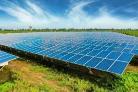
Access to reliable irrigation is a critical challenge for farmers in Pakistan. Traditional diesel or electric tubewells often involve high operating costs, frequent maintenance, and dependency on inconsistent energy supply. Solar tubewells provide a sustainable, cost-effective, and reliable alternative, enabling farmers to irrigate their crops efficiently while reducing expenses and environmental impact.
This article explores the benefits of solar tubewells, provides a step-by-step installation guide, and explains why choosing a trusted provider in Pakistan is essential for maximizing efficiency.
Why Solar Tubewells Are Becoming Popular Among Farmers in Pakistan
Water scarcity, rising fuel prices, and frequent electricity shortages have made conventional tubewells costly and unreliable for farmers. Solar tubewells address these challenges by providing:
-
Consistent water supply powered by renewable energy
-
Significant reduction in operational costs compared to diesel or electric pumps
-
Eco-friendly irrigation solutions that reduce carbon footprint
-
Long-term sustainability for farming operations
With abundant sunlight across Pakistan, solar tubewells are an ideal solution for enhancing agricultural productivity while minimizing costs.
Key Benefits of Solar Tubewells for Farmers
1. Significant Cost Savings
Solar tubewells eliminate the need for diesel fuel or continuous electricity usage, reducing monthly operating expenses. Farmers can save thousands of rupees annually on fuel and electricity bills.
-
Minimal operational costs after installation
-
No dependency on rising diesel prices
-
Long-term return on investment
2. Reliable Irrigation Even in Remote Areas
Unlike electric tubewells, which depend on grid supply, solar-powered pumps can operate in remote fields without electricity access. This ensures crops receive consistent irrigation regardless of location.
3. Environmentally Friendly Solution
Solar tubewells rely entirely on renewable energy, reducing greenhouse gas emissions and promoting sustainable farming practices. Switching to solar contributes to a greener, cleaner environment.
4. Low Maintenance and Durable
Solar pumps are built for durability and require minimal maintenance. Routine cleaning and occasional inspection of electrical components are sufficient for optimal performance, allowing farmers to focus on crop production.
5. Enhanced Agricultural Productivity
By providing reliable and efficient irrigation, solar tubewells help farmers improve crop yield, manage water usage effectively, and expand cultivation areas.
Types of Solar Tubewell Systems
1. DC Solar Pumps
Direct current (DC) pumps are connected directly to solar panels and operate only when sunlight is available.
Advantages:
-
Cost-effective for small to medium irrigation needs
-
Simple setup with minimal components
-
Low operating costs
Best for: Farms with moderate water requirements and abundant sunlight.
2. AC Solar Pumps
AC solar pumps use inverters to convert solar energy into alternating current, allowing operation even during low sunlight periods or with hybrid setups.
Advantages:
-
Can be integrated with battery storage for continuous operation
-
Suitable for larger farms and commercial irrigation
-
Provides reliable water supply during cloudy days
Best for: Large-scale agricultural operations with high water demand.
3. Submersible Solar Pumps
Submersible pumps are installed inside the water source and are highly efficient for deep wells and tubewells.
Advantages:
-
Ideal for deep groundwater extraction
-
Minimizes energy loss
-
Long-lasting and durable for extended irrigation needs
Best for: Areas with deep water tables and large-scale farms.
Installation Guide for Solar Tubewells
Step 1: Assess Water Requirements
Calculate the daily water requirement based on crop type, field size, and irrigation needs. This will help determine the correct pump capacity.
Step 2: Choose the Right Solar Pump System
Select a DC, AC, or submersible pump depending on water depth, sunlight availability, and farm size.
Step 3: Select Solar Panels and Inverters
Choose high-quality solar panels and inverters to ensure maximum energy efficiency and durability. Ensure panels are positioned for optimal sunlight exposure.
Step 4: Site Preparation
Prepare the installation site by ensuring stable ground for panels, secure mounting for pumps, and accessible locations for maintenance.
Step 5: Install Pump and Solar System
Professionally install the pump in the well or water source, connect solar panels, and wire the inverter and control systems according to manufacturer guidelines.
Step 6: Test and Commission the System
Run the system to ensure proper water flow, check for leaks, and verify electrical connections. Adjust settings to optimize pump performance.
Step 7: Routine Maintenance
Clean solar panels regularly, inspect electrical connections, and ensure the pump is free from debris to maintain optimal performance.
Tips for Maximizing Efficiency of Solar Tubewells
-
Position solar panels at an optimal angle to capture maximum sunlight
-
Regularly clean panels to prevent dust and dirt buildup
-
Monitor pump performance to detect any operational issues early
-
Combine with drip or sprinkler irrigation for water efficiency
-
Use high-quality equipment from a trusted provider to ensure durability and long-term savings
Why DSG Energy is a Trusted Provider of Solar Tubewells in Pakistan
At DSG Energy, we specialize in providing reliable and efficient solar tubewell solutions for farmers across Pakistan.
-
We are Pakistan-based, serving farms and agricultural businesses nationwide
-
Trusted expertise: Years of experience designing and installing solar tubewells tailored to irrigation needs
-
Comprehensive service: Consultation, installation, and maintenance support for a hassle-free experience
-
People-first approach: Focus on delivering cost-effective, durable, and sustainable irrigation solutions
With DSG Energy, farmers can ensure reliable irrigation, reduce operating costs, and increase agricultural productivity with solar-powered systems.
FAQs
1. Are solar tubewells suitable for all types of crops?
Yes, solar tubewells can be used for various crops, including wheat, rice, sugarcane, vegetables, and orchards.
2. How long does a solar tubewell system last?
High-quality solar pumps and panels typically last 15–20 years with minimal maintenance.
3. Can solar tubewells operate during cloudy days or low sunlight?
AC pumps with battery storage or hybrid setups can provide reliable water supply even during low sunlight conditions.
4. How much maintenance is required for a solar tubewell?
Maintenance is minimal, including cleaning panels, inspecting electrical components, and checking pump functionality periodically.
5. Why should I choose DSG Energy for solar tubewells in Pakistan?
DSG Energy provides expert consultation, professional installation, and durable equipment designed to meet the specific irrigation needs of Pakistani farmers.
Conclusion
Investing in a solar tubewell is a smart decision for farmers in Pakistan looking to reduce operating costs, ensure reliable irrigation, and adopt sustainable farming practices. By choosing the right pump type, installing it professionally, and maintaining the system, farmers can enhance crop productivity and secure long-term benefits. DSG Energy offers trusted expertise, high-quality equipment, and comprehensive support to make solar tubewells an efficient and reliable solution for agricultural needs in Pakistan.

 English
 French
 Spanish
 Portuguese
 Deutsch
 Turkish
 Dutch
Dutch
 Italiano
 Russian
 Romaian
 Portuguese (Brazil)
 Tiếng Việt