


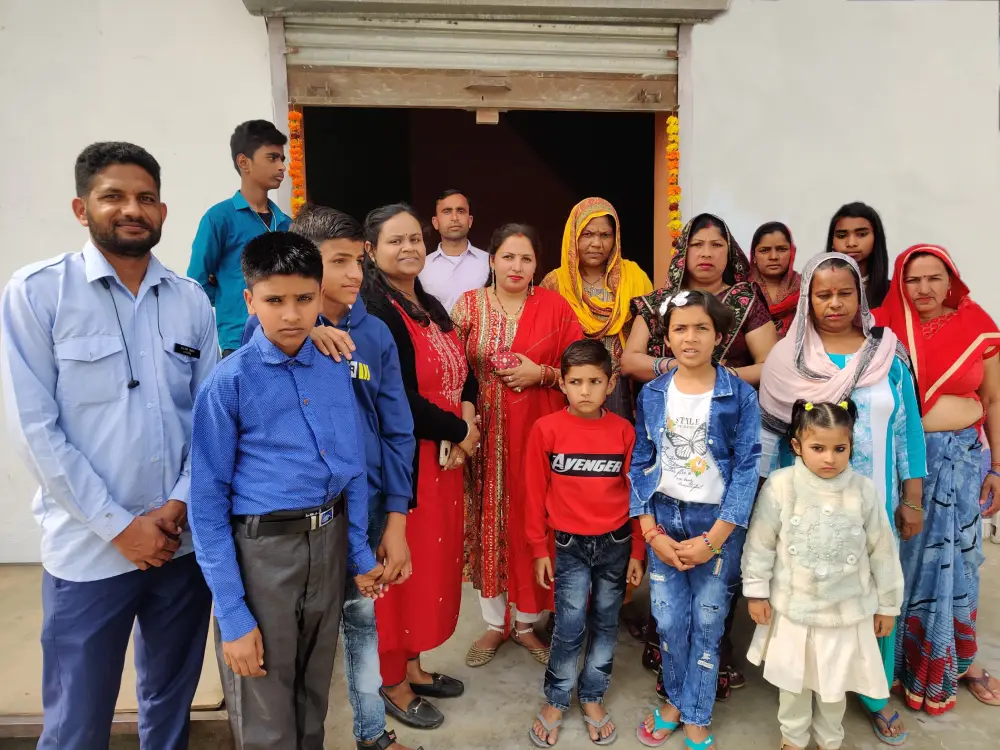
Nonprofit organizations (NPOs) in India play a crucial role in addressing social issues, supporting communities, and driving sustainable development. Despite their significant impact, NPOs face a unique set of challenges that can hinder their growth and effectiveness. Understanding these challenges and developing strategies to overcome them is essential for any nonprofit seeking long-term success.
This blog explores the top challenges faced by NPO in India and provides actionable solutions to help organizations operate more efficiently and sustainably.
Challenge 1: Funding Constraints
One of the biggest hurdles for NPOs in India is securing consistent and sufficient funding. Many nonprofits rely heavily on donations, grants, and government support, which can be unpredictable. Limited funds restrict program expansion, staff recruitment, and operational efficiency.
How to Overcome:
-
Diversify Funding Sources: Combine government grants, corporate CSR funds, individual donations, and crowdfunding.
-
Build Long-Term Donor Relationships: Engage donors through regular updates, newsletters, and impact stories to encourage recurring contributions.
-
Offer Transparency: Maintain clear financial records to build donor confidence and attract larger contributions.
-
Leverage Digital Platforms: Use online fundraising campaigns, social media, and websites to reach a wider audience.
Challenge 2: Regulatory Compliance
NPOs in India must comply with multiple laws and regulations, including trust acts, the Societies Registration Act, Companies Act (for Section 8 companies), income tax regulations, and FCRA rules for foreign funding. Non-compliance can lead to penalties, legal action, or loss of tax-exempt status.
How to Overcome:
-
Stay Informed: Regularly monitor changes in laws and regulations affecting NPOs.
-
Hire Professionals: Engage legal and financial experts to manage registrations, filings, and audits.
-
Maintain Documentation: Keep all records organized, including trust deeds, board resolutions, financial statements, and annual reports.
-
Plan Ahead: Ensure timely renewal of licenses, tax registrations, and FCRA approvals.
Challenge 3: Lack of Skilled Workforce
Many NPOs struggle to find qualified professionals who can manage operations, fundraising, program implementation, and digital marketing. Limited budgets often restrict the ability to hire full-time experts, impacting overall efficiency.
How to Overcome:
-
Volunteer Engagement: Recruit skilled volunteers who can contribute their expertise in areas such as accounting, marketing, or project management.
-
Training and Capacity Building: Invest in staff development programs to enhance skills and retain talent.
-
Partnerships with Educational Institutions: Collaborate with universities and colleges to offer internships and practical exposure.
-
Flexible Work Models: Offer part-time or remote work opportunities to attract skilled professionals.
Challenge 4: Awareness and Visibility
Many NPOs struggle to gain recognition and awareness for their initiatives. Lack of visibility limits access to donors, volunteers, and community support, reducing the organization’s overall impact.
How to Overcome:
-
Digital Presence: Create a professional website and actively use social media platforms to share impact stories, events, and campaigns.
-
Networking and Collaboration: Partner with other NGOs, corporates, and media outlets to amplify reach.
-
Public Engagement: Organize awareness campaigns, workshops, and community events to promote your cause.
-
Storytelling: Highlight success stories, beneficiary testimonials, and measurable outcomes to attract attention and support.
Challenge 5: Accountability and Transparency
Donors and stakeholders expect NPOs to maintain transparency and demonstrate the effective use of funds. Poor financial management or lack of accountability can damage credibility and reduce support.
How to Overcome:
-
Regular Audits: Conduct internal and external audits to ensure proper fund utilization.
-
Impact Reporting: Publish annual reports detailing program outcomes, expenditures, and achievements.
-
Financial Management Systems: Use software and tools to track income, expenses, and donations systematically.
-
Open Communication: Engage with stakeholders through newsletters, meetings, and social media updates.
Challenge 6: Technological Limitations
Many NPOs still rely on manual processes for fundraising, communication, and program management. Lack of technology adoption reduces efficiency, limits outreach, and hampers engagement.
How to Overcome:
-
Adopt Digital Tools: Use online fundraising platforms, donor management systems, and project management software.
-
Leverage Social Media: Increase engagement with campaigns, events, and awareness drives through platforms like Facebook, Instagram, and LinkedIn.
-
Website Optimization: Develop a mobile-friendly website with online donation options and clear program information.
-
Data-Driven Decisions: Use analytics to measure campaign effectiveness and optimize strategies.
Challenge 7: Measuring Impact
Demonstrating tangible results is critical for building credibility and attracting funding. Many NPOs struggle to measure and communicate the real impact of their programs effectively.
How to Overcome:
-
Set Clear Objectives: Define measurable goals and key performance indicators (KPIs) for every project.
-
Regular Monitoring: Track progress through data collection, surveys, and feedback from beneficiaries.
-
Impact Reports: Create comprehensive reports highlighting achievements, challenges, and lessons learned.
-
Third-Party Evaluations: Engage independent evaluators to validate outcomes and boost credibility.
Challenge 8: Volunteer Retention
While volunteers are the backbone of many NPOs, retaining them can be challenging due to lack of motivation, recognition, or engagement.
How to Overcome:
-
Recognition Programs: Appreciate and acknowledge volunteers’ contributions publicly.
-
Skill Development: Offer training and growth opportunities to volunteers.
-
Inclusive Culture: Foster a positive and supportive environment for volunteers.
-
Regular Communication: Keep volunteers informed and engaged with ongoing projects and activities.
Conclusion
Operating an NPO in India comes with several challenges, from funding constraints and regulatory compliance to workforce limitations and visibility issues. However, these obstacles are not insurmountable. By adopting strategic planning, leveraging technology, diversifying funding sources, and maintaining transparency, NPOs can overcome these challenges and operate efficiently.
With careful management and a focus on impact, nonprofit organizations can not only sustain their operations but also expand their reach, improve community engagement, and create meaningful social change. For anyone managing or planning to start an NPO in India, understanding these challenges and preparing to address them is key to long-term success.

 English
 Arabic
 French
 Spanish
 Portuguese
 Deutsch
 Turkish
 Dutch
Dutch
 Italiano
 Russian
 Romaian
 Portuguese (Brazil)