


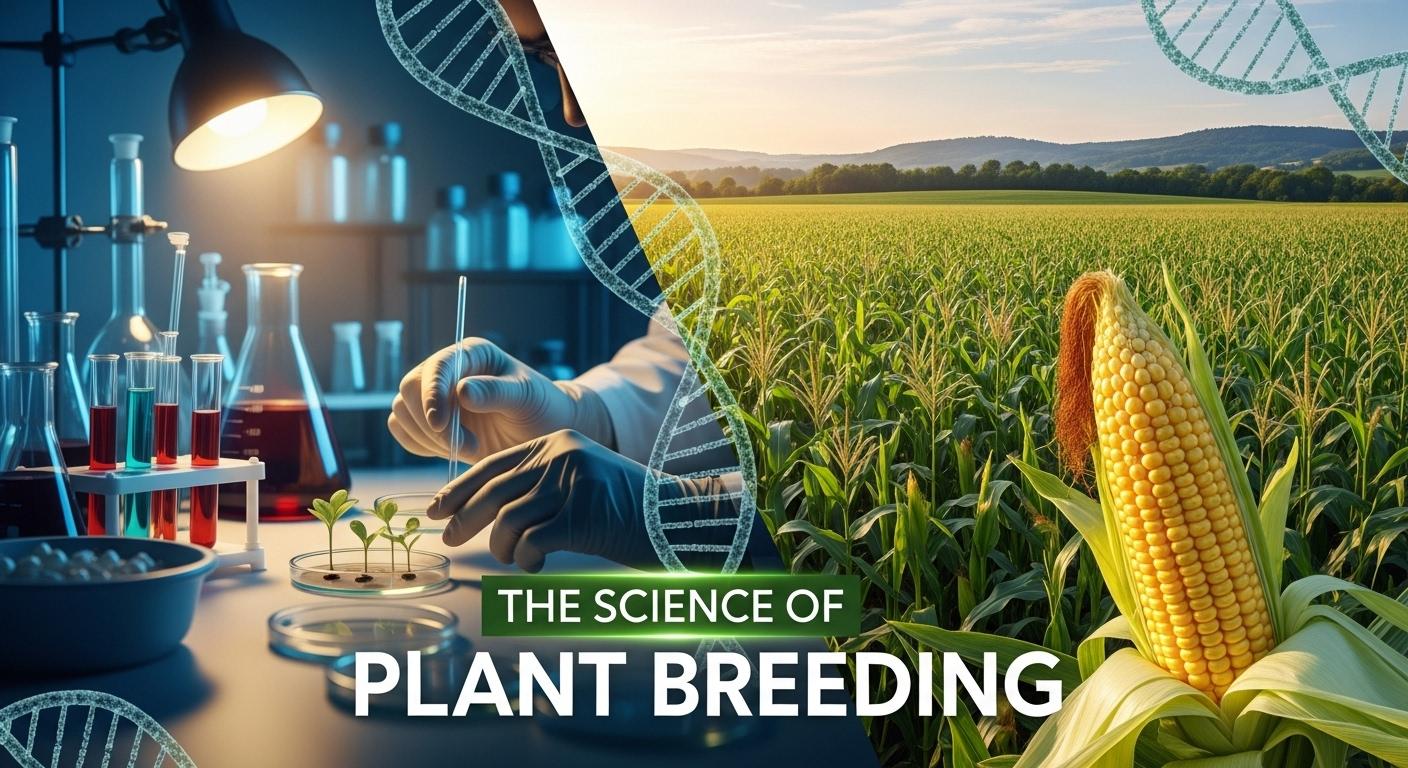
Plant breeding is a fascinating field that combines science, agriculture, and innovation to improve the quality and productivity of crops. Through selective breeding, scientists and farmers have developed better, more resilient plants that can withstand environmental stresses, provide higher yields, and offer improved nutritional value. In this blog, we will explore what plant breeding is, how it works, its importance, and the latest advancements in this vital area of agriculture.
What is Plant Breeding?
Plant breeding is the process of manipulating plant species to create new varieties with desirable traits. These traits can range from better resistance to pests and diseases, improved nutritional content, better tolerance to environmental stressors (like drought or extreme temperatures), or higher yields. Essentially, plant breeding aims to produce crops that meet the growing demands of both farmers and consumers.
The goal of plant breeding is to improve specific characteristics of plants, often through cross-pollination, genetic selection, or other modern technologies. These improvements can make crops more resilient, nutritious, and profitable, all of which are crucial in addressing global food security challenges.
The History of Plant Breeding
Plant breeding dates back thousands of years. Early human societies practiced rudimentary forms of breeding when they saved seeds from the best-performing plants for the next season. These early farmers, without knowing the science behind it, were unknowingly selecting plants with better traits like disease resistance or higher yield.
Modern plant breeding, however, emerged with the development of genetics in the early 20th century. In 1900, scientists rediscovered Gregor Mendel’s work on inheritance, which laid the foundation for understanding how traits are passed down through generations. This knowledge revolutionized plant breeding and allowed scientists to begin systematically selecting plants for specific traits.
The Types of Plant Breeding
There are several methods of plant breeding, each with its advantages and specific uses:
-
Traditional Plant Breeding Traditional breeding involves selecting parent plants with desirable characteristics and cross-pollinating them to produce offspring. Over multiple generations, these offspring are selected for the desired traits, such as higher yield or disease resistance. This method has been used for centuries and continues to be a core practice in agriculture today.
-
Hybridization Hybridization is a form of traditional breeding where two different plant varieties or species are crossed to create a hybrid. Hybrids typically inherit the best traits from both parents, such as improved vigor, resistance to disease, and better yields. This method is commonly used in crops like corn, tomatoes, and peppers.
-
Genetic Modification (GM) and Genetic Engineering Genetic modification involves directly altering a plant's DNA to introduce or enhance specific traits. This can be done by adding, removing, or modifying genes. For example, scientists can create genetically modified crops that are resistant to herbicides or insects, like Bt cotton, which is engineered to produce a toxin that repels pests.
-
Marker-Assisted Selection (MAS) Marker-assisted selection involves using molecular markers to track the presence of desirable genes in plants. This allows breeders to more accurately select plants with the right genetic makeup, speeding up the process of developing new varieties. MAS is often used in conjunction with traditional breeding methods to increase the efficiency of plant breeding.
-
CRISPR-Cas9 Technology CRISPR is a revolutionary gene-editing tool that allows for precise modifications to a plant’s genome. This method can be used to add, remove, or modify specific genes with great accuracy. CRISPR holds promise for developing crops with improved resistance to diseases, drought tolerance, and better nutritional content. Unlike GMOs, CRISPR technology does not involve inserting genes from other species, making it a more targeted and less controversial approach.
Why Plant Breeding is Important
-
Increased Food Production As the world’s population continues to grow, there is an increasing demand for food. Plant breeding helps meet this demand by developing high-yielding crops that can feed more people. Improved varieties of staple crops like rice, wheat, and corn are crucial for global food security.
-
Pest and Disease Resistance Pests and diseases are major threats to crops worldwide. Plant breeding allows for the development of plants that are resistant to common pests and diseases, reducing the need for harmful chemical pesticides. This not only helps the environment but also ensures better crop yields.
-
Drought and Environmental Stress Resistance Climate change is increasing the frequency and severity of extreme weather events like droughts and floods. Through plant breeding, scientists are developing crops that are better suited to withstand these harsh conditions. Crops that are drought-resistant, for example, can help ensure a stable food supply in regions affected by water scarcity.
-
Improved Nutritional Value Plant breeding can also improve the nutritional content of crops. For example, biofortification, which involves breeding plants to enhance their nutritional value, has led to the development of crops like Golden Rice, which is enriched with vitamin A to combat malnutrition in developing countries.
-
Economic Benefits For farmers, the development of better-performing crops means higher yields and better resistance to environmental factors, leading to increased profitability. The efficiency of plant breeding methods can reduce the cost of farming while increasing output.
The Challenges of Plant Breeding
Despite its many benefits, plant breeding is not without its challenges. Some of the main hurdles faced by plant breeders include:
-
Time and Resources: Traditional breeding methods can take many years to yield results. While new technologies like CRISPR are speeding up the process, plant breeding is still a long-term commitment.
-
Genetic Diversity: Focusing too heavily on specific traits, like higher yield or disease resistance, can reduce genetic diversity, making crops more vulnerable to new diseases or environmental changes.
-
Regulations and Public Perception: Genetic modification and gene-editing technologies like CRISPR face significant regulatory scrutiny and public resistance. Despite their potential, these technologies are often controversial and face opposition from certain groups.
-
Climate Change: The unpredictable nature of climate change poses a significant challenge for breeders who are working to develop crops that can withstand extreme weather conditions.
The Future of Plant Breeding
The future of plant breeding is incredibly exciting. As technology continues to advance, new techniques such as CRISPR and gene-editing will likely play an increasingly important role in developing crops that are more nutritious, resilient, and sustainable.
Additionally, the rise of precision agriculture — which uses data, sensors, and advanced analytics to optimize farming practices — will allow breeders to make more informed decisions and improve crop production even further.
The role of plant breeding in addressing global challenges, such as food security and climate change, has never been more critical. By continuing to innovate and refine breeding techniques, we can create a sustainable and healthy future for generations to come.
Conclusion
Plant breeding is an essential science that has shaped the way we produce food and will continue to play a pivotal role in ensuring the future of agriculture. Whether through traditional methods or cutting-edge technologies like CRISPR, the goal remains the same: to produce plants that are more resilient, nutritious, and productive.
As the world faces new challenges, such as climate change and a growing population, plant breeding will remain at the forefront of the fight to secure a stable and sustainable food supply for everyone. With continued research, innovation, and collaboration, the future of plant breeding is indeed promising.

 Arabic
 French
 Spanish
 Portuguese
 Deutsch
 Turkish
 Dutch
Dutch
 Italiano
 Russian
 Romaian
 Portuguese (Brazil)
 Tiếng Việt