



A career at sea demands resilience, discipline, and a high level of personal wellbeing. However, among the many health considerations for seafarers, oral care is often overlooked. With long voyages, limited medical access, and irregular schedules, maintaining good oral hygiene can easily fall by the wayside. Yet, neglecting oral care can have far-reaching effects, not just on one’s teeth and gums, but also on overall health and performance.
This article explores why oral health is crucial for seafarers, how poor dental care can endanger their wellbeing, and what preventive measures can help maintain healthy smiles even when far from shore.
Understanding the Link Between Oral Health and Overall Wellbeing
Oral health is more than just having clean teeth, it’s an essential part of general health. The mouth is home to millions of bacteria, most of which are harmless, but when oral hygiene is neglected, harmful bacteria can flourish. These can cause gum disease, decay, and even systemic infections that spread through the bloodstream.
For seafarers, maintaining oral health is especially challenging due to the long durations at sea, limited access to dental professionals, and often restricted diets. Without proper care, small issues like cavities or bleeding gums can escalate into serious health conditions that interfere with work duties and overall quality of life.
Common Dental Problems Among Seafarers
Life at sea creates unique oral health challenges. Below are some of the most frequent dental issues faced by those working aboard ships:
| Oral Problem | Likely Cause | Potential Consequences |
| Tooth Decay | High sugar intake, poor brushing | Pain, infection, tooth loss |
| Gum Disease | Inadequate cleaning, plaque buildup | Bleeding, inflammation, tooth mobility |
| Mouth Ulcers | Stress, poor diet, lack of vitamins | Discomfort, difficulty eating |
| Bad Breath (Halitosis) | Poor hygiene, dehydration | Social discomfort, underlying infection |
| Cracked or Chipped Teeth | Grinding, trauma, decay | Pain, infection risk, aesthetic concern |
These problems are not merely cosmetic, they can directly impact a seafarer’s ability to eat, sleep, and perform daily duties effectively.
Why Seafarers Are at Greater Risk
Seafarers face several conditions that make oral health maintenance more difficult than it might be ashore:
- Limited access to dentists: Routine check-ups and emergency dental treatments are rarely available during long voyages.
- Dietary restrictions: Limited access to fresh fruits and vegetables can reduce essential vitamin intake, affecting gum health.
- Irregular routines: Shift work and fatigue often lead to skipping brushing or rinsing after meals.
- High-stress environments: Stress can contribute to teeth grinding and jaw clenching, leading to enamel wear and pain.
- Dehydration: Long hours in dry or air-conditioned environments can reduce saliva flow, which normally helps protect teeth from bacteria.
Seafarers who prioritise dental hygiene Bristol practices before and after voyages significantly reduce the risk of developing these oral issues.

The Hidden Dangers of Neglecting Oral Care
Neglecting oral health isn’t just about cavities, it can have serious, far-reaching effects on the body. Below are some hidden dangers that arise from poor dental hygiene:
- Systemic Infections: Bacteria from gum disease can enter the bloodstream, leading to conditions like endocarditis (infection of the heart lining) and other systemic issues.
- Digestive Problems: Poor oral health can hinder proper chewing, which in turn affects digestion and nutrient absorption, particularly dangerous for those on restrictive diets at sea.
- Heart Disease and Diabetes: Studies show strong links between gum disease and cardiovascular problems. Diabetic seafarers may also struggle with worsened blood sugar control due to oral inflammation.
- Mental and Emotional Impact: Persistent pain, bad breath, or missing teeth can reduce confidence, affect morale, and cause anxiety, particularly in close living quarters aboard a ship.
- Reduced Work Efficiency: Chronic discomfort or infection can lead to fatigue, distraction, and reduced performance during critical duties at sea.
Those who neglect their oral health not only risk medical emergencies but also compromise crew safety and operational efficiency.
Preventive Measures: Keeping Teeth Healthy at Sea
Despite the challenges of life on board, maintaining oral health is entirely achievable with some consistency and preparation. Here are practical tips tailored for seafarers:
Daily Oral Care Routine
- Brush teeth twice daily with fluoride toothpaste.
- Use interdental brushes or floss to remove trapped food particles.
- Rinse with an antibacterial mouthwash when possible.
- Replace toothbrushes every three months or after illness.
Dietary Choices
- Opt for low-sugar snacks and avoid constant snacking between meals.
- Choose water over fizzy drinks or sweetened coffee.
- Eat more calcium-rich foods (e.g., milk, cheese) and vitamin C sources to support gum health.
Lifestyle Tips
- Stay hydrated to maintain healthy saliva flow.
- Manage stress with exercise or mindfulness to prevent teeth grinding.
- Avoid smoking and limit alcohol consumption, both of which increase gum disease risk.
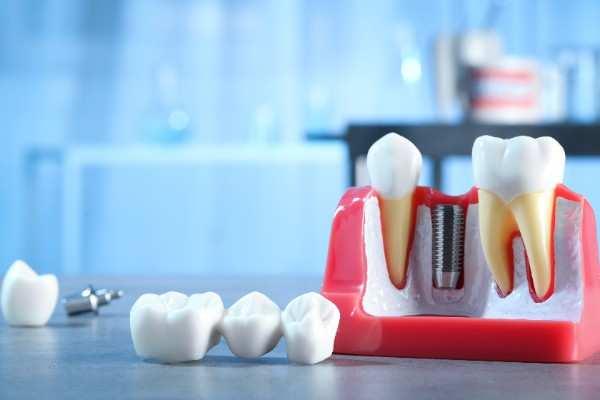
Before setting sail, it’s wise for crew members to have a full dental check-up many rely on dental implant Bristol clinics for restorative or preventive care before deployment.
The Role of Employers in Promoting Crew Dental Health
Maritime companies and ship operators play a crucial role in ensuring crew wellbeing, including oral health. Initiatives that can make a big difference include:
- Providing oral hygiene kits with toothpaste, toothbrushes, and floss.
- Organising pre-deployment dental assessments and basic education on oral care.
- Including dental health modules in safety and wellness training.
- Offering access to tele-dentistry consultations during voyages for guidance on handling dental pain or infections.
Employers who support preventive health care onboard not only improve morale but also reduce medical emergencies that can disrupt operations.
When to Seek Professional Help
Recognising early warning signs of oral problems can prevent complications. Seafarers should seek immediate dental attention when they experience:
- Continuous tooth or jaw pain.
- Swollen or bleeding gums.
- Loose or sensitive teeth.
- Mouth ulcers that don’t heal within two weeks.
- Persistent bad breath despite regular cleaning.
Ignoring these signs can lead to severe infections or tooth loss, both of which may require advanced treatments once ashore. Prompt visits to clinics such as Dental Hygiene Bristol can make a significant difference in recovery and long-term oral wellbeing.
Conclusion
Neglecting oral care can have lasting consequences, particularly for seafarers who spend months away from professional dental services. Maintaining proper dental hygiene, balanced nutrition, and regular check-ups is essential for both personal wellbeing and professional performance at sea.
For reliable dental support and preventive care, Smilo Dental Implant Bristol offers expert services that ensure every seafarer returns to shore with a healthier, stronger, and more confident smile, ready for the next voyage.

 English
 French
 Spanish
 Portuguese
 Deutsch
 Turkish
 Dutch
Dutch
 Italiano
 Russian
 Romaian
 Portuguese (Brazil)
 Tiếng Việt