


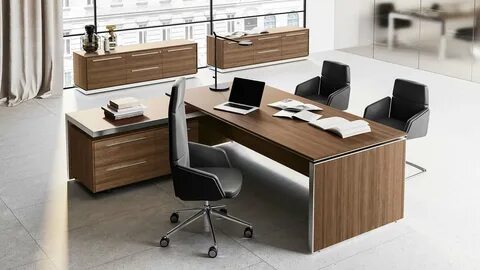
In the modern workplace, an office table is no longer just a piece of furniture—it has become a central element of productivity, comfort, and aesthetics. Companies today understand that the right table can significantly impact employee efficiency and workplace ambiance. Office table design now focuses on balancing functionality, style, and ergonomics, ensuring that every workspace feels inviting and practical. From individual workstations to collaborative zones, the table serves as both a practical surface and a design statement, reflecting the company’s values and work culture. With evolving trends, the modern office table is tailored to meet the diverse needs of employees, providing not only comfort but also inspiring creativity.
The Importance Of Thoughtful Office Table Design
A well-planned office table design is crucial for fostering a productive work environment. The placement, size, and layout of tables determine how employees interact with their space and with each other. Ergonomically designed tables enhance posture, reduce fatigue, and create a healthier workspace. Additionally, tables with built-in storage or cable management systems help maintain a clutter-free surface, which contributes to focus and efficiency. By investing in quality office tables, businesses show that they prioritize employee comfort and functionality, which in turn boosts morale and overall performance.
Key Trends In Modern Office Table Design
The current trends in office table design highlight flexibility, sustainability, and technology integration. Adjustable height tables allow employees to alternate between sitting and standing, promoting better health and reducing the risk of repetitive strain injuries. Minimalist and modular tables are also highly favored, offering adaptability for different office layouts and team sizes. Sustainable materials such as recycled wood, metal, and eco-friendly laminates are increasingly being used to align with environmental concerns. Modern designs often include integrated technology like USB ports, wireless chargers, and smart cable management, making the office more efficient and organized.
How Ergonomics Enhances Office Table Functionality
Ergonomics is a key consideration in office table design. A poorly designed table can result in discomfort, decreased productivity, and long-term health issues. Ergonomically optimized office tables support natural posture, proper legroom, and comfortable working height, ensuring that employees can work for extended periods without strain. Height-adjustable and sit-stand tables cater to individual preferences and promote movement throughout the day. Combining ergonomic tables with suitable seating creates a balanced workspace that encourages concentration, creativity, and efficiency while reducing fatigue and stress.
The Role Of Aesthetic Appeal In Office Table Selection
The visual appeal of an office table plays an important role in creating a positive workplace environment. Modern office table designs emphasize sleek lines, elegant finishes, and clean surfaces, enhancing both individual workstations and shared office areas. Wooden tables offer warmth and sophistication, while glass and metal options provide a contemporary and minimalist look. Color, texture, and material choice are integral to complementing the overall office design. A visually attractive office not only elevates employee experience but also leaves a lasting impression on clients and visitors, showcasing the company’s professionalism and attention to detail.
Space Optimization With Office Table Design
Proper office table design ensures efficient utilization of office space. Tables are no longer one-size-fits-all; they are crafted to fit specific work needs and layouts. Compact workstations maximize smaller areas without compromising functionality, while collaborative tables facilitate group work and discussions. Modular designs allow tables to be reconfigured based on changing project requirements, offering flexibility for dynamic work environments. Thoughtful planning of table placement, size, and shape enhances traffic flow, accessibility, and interaction among team members, creating a workspace that is both functional and harmonious.
Technology Integration And Smart Features
Modern office table designs integrate technology to meet the demands of a connected workplace. Many office tables now include built-in charging stations, cable management systems, and even smart sensors for reminders to take breaks or adjust posture. These features enhance convenience and promote a more organized, productive workflow. Technology-integrated tables allow employees to seamlessly connect devices, reducing clutter and distractions while supporting multitasking. By combining aesthetics, functionality, and technology, these tables contribute to a future-ready office environment.
Sustainability In Office Table Manufacturing
Sustainability is increasingly shaping office table design trends. Eco-conscious companies prefer tables made from recycled or renewable materials, ensuring that production practices minimize environmental impact. Non-toxic finishes, responsibly sourced wood, and durable construction are now common considerations for businesses aiming to reduce their carbon footprint. Sustainable office tables not only support environmental goals but also convey a company’s commitment to responsible practices. By choosing green furniture options, organizations create healthier workplaces while promoting a positive corporate image.
Choosing The Right Office Table For Your Workspace
Selecting the perfect office table requires careful thought. Considerations include space availability, the nature of work performed, and the level of collaboration required. Storage options such as drawers and shelves can improve organization, while durable materials ensure long-term usability. Color, texture, and design should align with the overall office aesthetic, enhancing cohesion and professionalism. Ergonomic features are essential for employee comfort, especially in roles that require long hours at a desk. By combining these factors, businesses can select tables that improve efficiency, support employee well-being, and enhance the overall look of the office.
The Future Of Modern Office Table Design
As workplace trends continue to evolve, office table design will increasingly focus on adaptability, technology, and sustainability. Hybrid work models demand tables that can support both in-office and remote work needs. Smart, modular, and ergonomic designs will continue to dominate, ensuring flexibility for different team sizes and project requirements. The integration of technology will further streamline workflows, while eco-friendly practices will meet the growing demand for sustainable office solutions. The Modern Office Table will remain a central feature in creating inspiring, functional, and future-ready workspaces.
Conclusion
A well-designed office table is essential for creating productive, comfortable, and visually appealing workspaces. From ergonomic benefits to technology integration and aesthetic appeal, the right table improves both employee performance and office design. Companies that prioritize thoughtful office table design foster a positive work culture and demonstrate their commitment to employee well-being and efficiency. For businesses seeking durable, stylish, and functional tables that elevate workplace environments, Modern office table designs offers innovative solutions that combine comfort, style, and practicality in every workspace.

 English
 Arabic
 French
 Spanish
 Portuguese
 Turkish
 Dutch
Dutch
 Italiano
 Russian
 Romaian
 Portuguese (Brazil)
 Tiếng Việt