


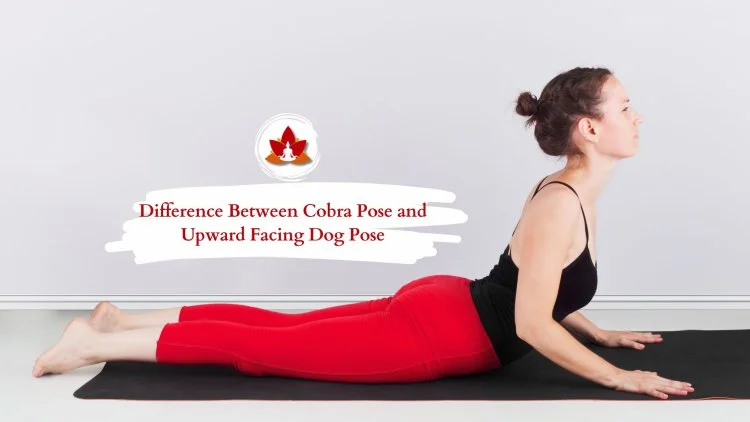
The comparison of cobra vs up dog is one of the most essential studies for anyone practicing yoga, from beginners to advanced practitioners. While both poses are backbends and heart-opening postures commonly found in Sun Salutations, they differ significantly in structure, intensity, muscle engagement, and therapeutic application. For many students, the two poses look almost identical at a glance, but understanding their distinctions creates safer alignment, deeper awareness, and a more intentional approach to yoga practice. This long, detailed guide explores the anatomy, benefits, variations, common mistakes, and philosophical significance of cobra vs up dog, helping you refine your practice with clarity and confidence.
Introduction to Cobra and Upward Facing Dog
Before analyzing cobra vs up dog in detail, let’s briefly define both poses:
Cobra Pose – Bhujangasana
Cobra Pose is a gentle backbend performed with the belly, thighs, and pelvis grounded on the mat. The lift of the chest is supported partially by the arms but primarily by the spinal extensors. It is ideal for beginners, those with limited back flexibility, or practitioners recovering from an injury.
Upward Facing Dog Pose – Urdhva Mukha Svanasana
Up Dog is a deeper, more intense backbend where the chest is lifted higher, the arms are straight, and—most importantly—the thighs and pelvis are lifted off the mat. This requires greater strength in the arms, shoulders, and legs. It appears commonly in Vinyasa and Ashtanga flows.
When we compare cobra vs up dog, it becomes clear that although they share certain similarities, they serve different purposes and benefit the body in unique ways.
Detailed Breakdown of Alignment: Cobra vs Up Dog
Cobra Pose Alignment
Understanding Cobra alignment helps clarify the difference in the cobra vs up dog comparison:
-
Feet and legs
Legs stay extended with the tops of the feet pressing into the mat. Thighs and pelvis remain grounded. -
Hands
Placed under the shoulders or slightly forward—elbows always bent and hugging the rib cage. -
Chest lift
The lift comes primarily from the back muscles, not from pushing into the hands. -
Shoulders
Rolled back and down, avoiding hunching. -
Spine
Creates a gentle, controlled curve.
Upward Facing Dog Alignment
Now let’s examine Up Dog to deepen the understanding of cobra vs up dog:
-
Feet and legs
Legs are active, thighs lifted off the floor, supported by strong quadriceps and glutes. -
Hands
Placed directly under the shoulders with arms fully straight. -
Chest lift
Comes from a combination of arm strength and back activation. -
Shoulders
Rolled back, chest broad, collarbones spread wide. -
Spine
A deeper backbend, with full extension but no collapsing in the lower back.
These alignment differences form the foundation of the cobra vs up dog comparison, significantly affecting how each pose impacts the body.
Core Physical Differences: Cobra vs Up Dog
To further understand cobra vs up dog, let’s explore the main functional distinctions:
1. Weight Distribution
-
Cobra: Weight is distributed across the pelvis, thighs, and hands.
-
Up Dog: Weight is on the hands and tops of the feet; the pelvis and thighs lift completely.
2. Arm Position
-
Cobra: Elbows bent; arms supportive but not weight-bearing.
-
Up Dog: Arms straight; significant upper-body strength required.
3. Intensity of Backbend
-
Cobra: Mild to moderate backbend.
-
Up Dog: Deeper backbend with more spinal extension.
4. Engagement
-
Cobra: Emphasizes spinal muscles over arm strength.
-
Up Dog: Requires full-body engagement—arms, legs, back, and core.
5. Suitability
-
Cobra: Ideal for beginners, people with tight backs, or those healing injuries.
-
Up Dog: Best for practitioners with sufficient strength and flexibility.
These distinctions make the study of cobra vs up dog crucial for practicing safely and effectively.
Benefits Comparison: Cobra vs Up Dog
Both poses offer immense benefits, but understanding their differences helps practitioners choose wisely.
Cobra Pose Benefits
-
Gently strengthens the spine
-
Stimulates abdominal organs
-
Lengthens the front body in a non-strenuous way
-
Improves posture with minimal strain
-
Reduces stiffness in the lower back
-
Suitable for therapeutic and restorative practice
Upward Facing Dog Benefits
-
Strengthens arms, shoulders, and wrists
-
Opens the entire front body deeply
-
Strengthens the legs and glutes
-
Increases spinal flexibility
-
Enhances energy and circulation
-
Integral to dynamic yoga styles like Vinyasa
When comparing cobra vs up dog, Cobra focuses on gentle therapeutic effects, while Up Dog is more energizing and strengthening.
Who Should Choose Which Pose? Cobra vs Up Dog
The choice between cobra vs up dog depends on several factors:
Choose Cobra Pose If:
-
You are new to yoga
-
You have lower back sensitivity
-
You experience wrist or shoulder discomfort
-
You want a restorative approach
-
You are pregnant (with modifications)
-
You want to build foundational spinal strength
Choose Upward Facing Dog If:
-
You practice Vinyasa or Ashtanga sequences
-
You have adequate upper-body strength
-
You want deeper backbends
-
You can lift your thighs without collapsing the lower back
-
You seek more intense chest opening
Understanding these distinctions empowers practitioners to make safe and beneficial decisions regarding cobra vs up dog.
Common Mistakes in Cobra vs Up Dog
Common Cobra Mistakes
-
Overusing arms instead of engaging the spine
-
Shrugging shoulders toward the ears
-
Lifting too high without spinal strength
-
Compressing the lower back
Common Up Dog Mistakes
-
Sinking the pelvis or thighs to the mat
-
Hyperextending the arms
-
Overarching the lower back
-
Collapsing the shoulders forward
-
Turning the feet inward
Correcting these mistakes enhances the deeper awareness of cobra vs up dog, improving alignment and safety.
How to Transition Smoothly in Flows
In Vinyasa yoga, choosing the right pose during transitions can prevent injury and support long-term practice. When the flow calls for a backbend after Chaturanga, practitioners may choose:
-
Cobra if fatigued or unwilling to strain
-
Up Dog when strong and well-aligned
Understanding cobra vs up dog in the context of transitions makes practice more intuitive and sustainable.
Philosophical Perspective: Cobra vs Up Dog
Yoga poses are not merely physical movements—they hold symbolic meaning.
Cobra Pose Symbolism
Cobra represents awakening, sensitivity, and inner power arising gently. It symbolizes growth through self-awareness.
Upward Facing Dog Symbolism
Up Dog embodies strength, upliftment, confidence, and expansion. Its strong upward lift symbolizes opening to new possibilities.
The philosophical essence deepens the study of cobra vs up dog, showing how each posture nurtures different emotional experiences.
Conclusion: Integrating Cobra vs Up Dog Wisely
In the exploration of cobra vs up dog, we discover that while both poses share similarities, their purposes diverge significantly. Cobra Pose offers gentle strength, safe spinal extension, and a restorative approach ideal for all practitioners. Upward Facing Dog, on the other hand, provides dynamic energy, deeper backbending, and powerful full-body activation suitable for more experienced yogis.
Instead of viewing cobra vs up dog as an either-or decision, consider them complementary. Some days your body needs the softness of Cobra; other days it thrives on the strength of Up Dog. Understanding alignment, purpose, and appropriate modifications ensures that both poses enrich your yoga journey safely and meaningfully.
By mastering the subtle yet important differences between cobra vs up dog, you cultivate awareness, improve practice longevity, and develop a deeper connection to your body and breath—a true reflection of yoga’s wisdom.

 English
 Arabic
 French
 Spanish
 Portuguese
 Deutsch
 Turkish
 Dutch
Dutch
 Italiano
 Russian
 Romaian
 Portuguese (Brazil)