


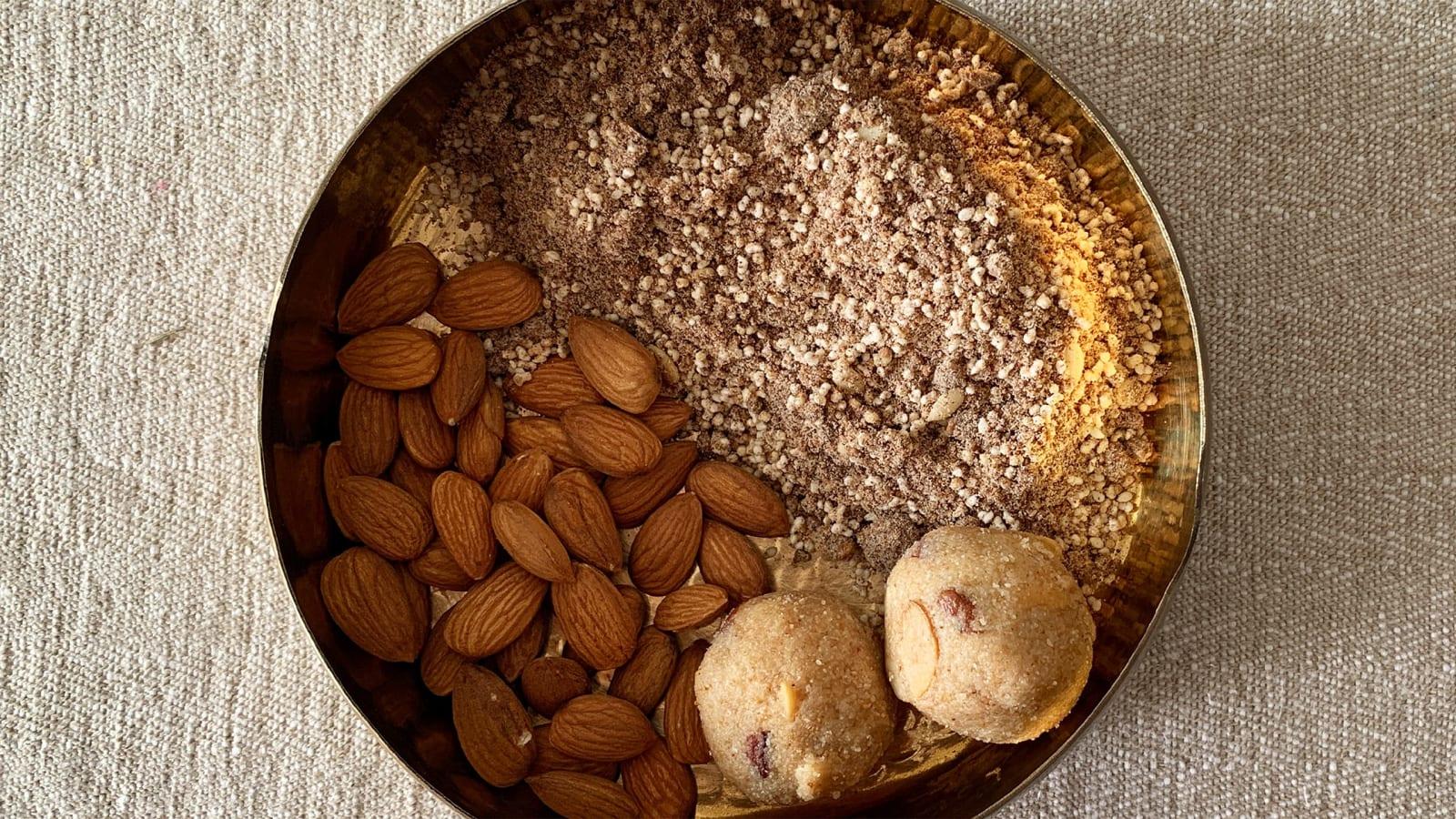
Desi panjeeri has been cherished in Indian households for centuries. Traditionally prepared with a blend of whole wheat flour, ghee, sugar, and an assortment of nuts and seeds, this wholesome mixture has gained popularity not only as a postpartum supplement but also as a healthy snack for people of all ages. Known for its energy-boosting properties and immunity-enhancing ingredients, desi panjeeri is more than just a sweet treat it is a powerhouse of nutrients.
History and Cultural Significance of Desi Panjeeri
Panjeeri holds a special place in Indian culture, especially in the northern regions. Historically, it has been associated with postpartum care, helping new mothers regain strength and maintain energy. Many families continue the tradition of giving desi panjeeri to lactating mothers because of its believed benefits for both mother and child. Beyond its role in postpartum care, panjeeri is often distributed during festivals, religious ceremonies, and family gatherings as a symbol of health, prosperity, and love.
Nutritional Benefits of Desi Panjeeri
Desi panjeeri is packed with essential nutrients that provide multiple health benefits:
Energy Boosting Ingredients
The combination of whole wheat flour roasted in ghee makes desi panjeeri a rich source of calories, ideal for individuals needing extra energy. Nuts like almonds, cashews, and walnuts add protein and healthy fats, ensuring sustained energy throughout the day.
Bone Health Support
Traditional ingredients such as sesame seeds, dry ginger, and edible gum (gond) are known for supporting bone health. These components are especially beneficial for new mothers recovering from childbirth and for elderly individuals who need additional calcium and minerals.
Immunity Enhancement
Many spices included in desi panjeeri, such as cardamom and dry ginger, possess antioxidant and anti-inflammatory properties. These natural ingredients strengthen the immune system and help fight common infections, making panjeeri a wholesome addition to daily nutrition.
Ingredients Commonly Used in Desi Panjeeri
While recipes may vary from household to household, the essential components of desi panjeeri include:
-
Whole wheat flour: The base of panjeeri, roasted in ghee to enhance flavor and digestibility.
-
Ghee: Adds richness and promotes nutrient absorption.
-
Sugar or jaggery: Sweetens the mixture while providing quick energy.
-
Nuts and seeds: Almonds, cashews, walnuts, and pistachios offer protein, healthy fats, and minerals.
-
Edible gum (gond): Supports bone strength and recovery.
-
Dry ginger powder: Aids digestion and boosts immunity.
-
Cardamom and other spices: Enhance flavor and provide medicinal properties.
Step-by-Step Preparation of Desi Panjeeri
Making desi panjeeri at home is a straightforward process but requires patience and attention to detail:
Roasting the Flour
Start by roasting whole wheat flour in ghee over a low flame. Stir continuously to prevent burning. The flour should turn golden brown and release a nutty aroma, which forms the base of panjeeri.
Adding Nuts and Seeds
Chop almonds, cashews, and other preferred nuts into small pieces. Lightly roast them in ghee separately before mixing them into the flour. This enhances flavor and preserves nutrients.
Mixing Spices and Edible Gum
Add dry ginger powder, cardamom, and edible gum to the roasted flour-nut mixture. Stir thoroughly to ensure even distribution. This combination not only enhances taste but also maximizes the health benefits of desi panjeeri.
Sweetening the Mixture
Finally, add sugar or jaggery to the mixture while it is still warm. Mix well to ensure it blends uniformly, forming small clumps if desired. Allow the panjeeri to cool before storing it in an airtight container. Properly stored, it can last several weeks without losing flavor or nutrition.
Different Variations of Desi Panjeeri
Desi panjeeri can be customized according to dietary preferences or seasonal availability of ingredients:
Postpartum Panjeeri
This variation focuses on recovery and lactation support. Ingredients like fenugreek seeds, milk powder, and dried fruits are commonly added to boost nutrition for new mothers.
Winter Panjeeri
During winters, panjeeri often includes extra nuts, sesame seeds, and edible gum to provide warmth and energy. This version is ideal for combating cold weather and seasonal fatigue.
Kid-Friendly Panjeeri
For children, a milder version can be prepared by reducing strong spices and focusing on sweet flavors with ingredients like raisins, cashews, and honey.
How to Incorporate Desi Panjeeri into Daily Life
Desi panjeeri can be enjoyed in various ways beyond direct consumption:
-
As a snack: Eat a spoonful or two as a mid-morning or evening snack for an energy boost.
-
Mixed with milk: Dissolve panjeeri in warm milk for a nourishing drink.
-
Added to yogurt or oatmeal: Sprinkle on breakfast items to enhance flavor and nutritional content.
Precautions and Considerations
Although desi panjeeri is highly nutritious, moderation is key. Due to its high-calorie content from ghee and sugar, consuming excessive amounts can contribute to weight gain. Additionally, individuals with nut allergies should carefully check ingredients before consumption. For those managing diabetes, jaggery-based or sugar-free variations are preferable.
Conclusion
Desi panjeeri is much more than a traditional sweet it represents a harmonious blend of culture, health, and flavor. Whether consumed as a postpartum recovery aid, a winter booster, or a daily snack, its combination of wholesome ingredients makes it a versatile and nutritious choice. By embracing the tradition of desi panjeeri, individuals can enjoy a natural source of energy, immunity support, and overall wellness.
Homemade panjeeri allows for customization, ensuring that each family can maintain this timeless practice in a way that suits modern lifestyles. With its rich flavor, cultural significance, and remarkable health benefits, desi panjeeri continues to stand the test of time as a beloved and essential part of Indian cuisine.

 English
 Arabic
 French
 Spanish
 Portuguese
 Deutsch
 Turkish
 Dutch
Dutch
 Italiano
 Russian
 Romaian
 Portuguese (Brazil)