


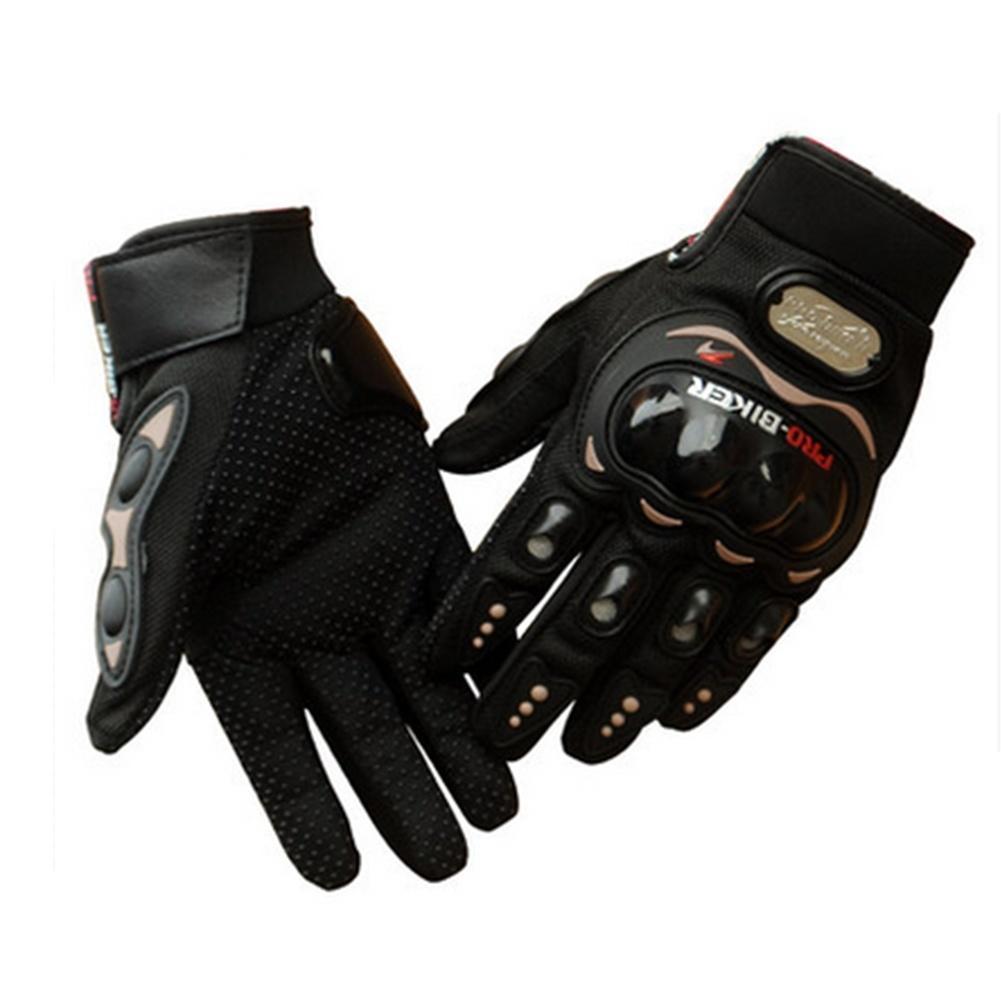
Working in a shop environment puts your hands at constant risk. Sharp metal edges, hot surfaces, and chemical spills pose daily threats to your safety. The right protective handwear—such as durable shop gloves or safety gloves—can mean the difference between a safe workday and a painful injury.
This guide covers everything you need to know about selecting, using, and maintaining protective work gloves for shop environments.
Why Hand Protection Matters in Workshop Settings
Your hands perform countless tasks during each workday. They handle rough materials, operate power tools, and touch potentially harmful surfaces. Without proper protection, cuts, burns, and chemical exposure become serious concerns.
Workshop accidents involving hands account for a significant portion of workplace injuries. Most of these incidents are preventable with appropriate safety equipment. Smart workers invest in quality protection before problems occur.
Types of Workshop Hand Protection
Cut-Resistant Options
Cut-resistant gloves use special fibers to prevent blade injuries. These materials include high-performance polyethylene and steel fibers. Different cut levels provide varying degrees of protection based on your specific needs.
Level A1 gloves handle light cutting tasks like cardboard and plastic. Level A5 options protect against sharp metal and glass. Choose the appropriate cut level based on the materials you handle most often.
Chemical-Resistant Varieties
Chemical work requires specialized barrier protection. Nitrile coatings resist oils and petroleum products. Neoprene handles acids and caustic materials safely. PVC options work well with general cleaning chemicals.
Always check chemical compatibility charts before making your selection. The wrong material can actually increase exposure risks. When in doubt, consult safety data sheets for specific guidance.
Heat-Resistant Models
High-temperature work demands specialized thermal protection. Leather gloves handle moderate heat and sparks from welding. Kevlar materials resist higher temperatures while maintaining flexibility. Aluminized options reflect extreme radiant heat.
Consider both contact heat and radiant heat exposure in your work environment. Some jobs require protection from both types simultaneously. Multi-layer construction often provides the best overall thermal protection.
General Purpose Solutions
Many shop tasks require basic protection without specialized features. Cotton gloves absorb moisture and provide light abrasion resistance. Leather options offer durability for general handling tasks. Synthetic blends combine multiple protective properties.
These versatile options work well for material handling, light assembly, and general maintenance tasks. They cost less than specialized varieties while providing adequate protection for low-risk activities.
Key Features to Consider
Grip Enhancement
Textured palms and fingers improve tool control significantly. Raised dots or patterns increase friction on smooth surfaces. Coated fingertips provide enhanced sensitivity for detailed work.
Good grip reduces hand fatigue during long work sessions. It also prevents tools from slipping and causing injuries. Test grip quality with typical tools before making your final choice.
Comfort and Flexibility
Comfortable gloves encourage consistent use throughout the workday. Look for breathable materials that prevent excessive sweating. Flexible joints allow natural finger movement without restriction.
Poorly fitting gloves cause blisters and reduce dexterity. They also create safety hazards by limiting your ability to operate controls properly. Always prioritize proper fit over other features.
Durability Factors
Workshop environments are tough on protective equipment. Reinforced stress points extend glove life significantly. Quality stitching prevents premature failure at seams. Double-layer construction adds protection in high-wear areas.
Consider your typical usage patterns when evaluating durability needs. Heavy daily use requires more robust construction than occasional light tasks. Balance durability requirements with comfort and cost considerations.
Sizing and Fit Guidelines
Measuring Your Hands
Proper measurement ensures optimal fit and protection. Measure around your knuckles at the widest point. Don't include your thumb in this measurement. Compare your measurements to manufacturer sizing charts.
Hand length also affects fit quality. Measure from wrist crease to middle finger tip. Some brands use both measurements for more accurate sizing. When between sizes, choose the larger option for comfort.
Fit Testing Tips
Test gloves with typical work motions before committing to a purchase. Make fists, grip tools, and perform fine motor tasks. The gloves should feel secure without restricting movement.
Check for pressure points or bunching material that could cause discomfort. Pay attention to fingertip fit since this affects sensitivity most. Properly fitted gloves feel like a natural extension of your hands.
Where to Find Quality Options
Local safety supply stores carry basic varieties for immediate needs. They often stock popular brands and common sizes. Staff can provide fitting assistance and application advice.
Industrial suppliers offer broader selections and specialized options. They typically carry professional-grade products with detailed specifications. Bulk purchasing options reduce per-unit costs for regular users.
For those seeking shop gloves in Baltimore, several local retailers specialize in workplace safety equipment. These stores understand regional industry needs and stock appropriate products accordingly.
Care and Maintenance
Cleaning Procedures
Regular cleaning extends glove life and maintains hygiene standards. Most cotton and synthetic gloves tolerate machine washing. Use mild detergent and avoid fabric softeners that reduce grip.
Leather gloves require different care methods. Clean with damp cloth and mild soap solution. Allow complete air drying before storage. Apply leather conditioner periodically to prevent cracking.
Storage Best Practices
Store clean, dry gloves in well-ventilated areas. Avoid direct sunlight that can degrade materials over time. Keep different glove types separated to prevent contamination.
Inspect stored gloves regularly for signs of deterioration. Replace any showing cracks, tears, or chemical damage. Proper storage significantly extends useful life and maintains protection levels.
Safety Standards and Certifications
Understanding ANSI Ratings
American National Standards Institute (ANSI) ratings help compare protection levels across brands. Cut resistance ratings range from A1 to A9. Puncture resistance uses different numerical scales.
Heat resistance standards specify maximum safe temperatures. Chemical resistance ratings indicate which substances each material resists. Always verify that your chosen gloves meet relevant standards for your applications.
When to Replace
Replace gloves showing visible wear or damage immediately. Small holes or cracks compromise protection significantly. Chemical staining may indicate material degradation even without visible damage.
Establish replacement schedules based on usage intensity. Heavy daily use may require monthly replacement. Light occasional use might allow quarterly changes. Document replacement dates to track usage patterns.
Making the Right Choice
Quality shop gloves balance protection, comfort, and cost for your specific needs. Consider the hazards you face most frequently. Match glove features to your primary risks while maintaining comfort for extended wear.
Don't compromise safety for minor cost savings. Good protective equipment prevents injuries that cost far more than premium gloves. Invest in appropriate protection and replace items before they fail.
The right protective handwear keeps you working safely and comfortably. Take time to evaluate your needs, test different options, and choose gloves that encourage consistent daily use.

 English
 French
 Spanish
 Portuguese
 Deutsch
 Turkish
 Dutch
Dutch
 Italiano
 Russian
 Romaian
 Portuguese (Brazil)
 Tiếng Việt