


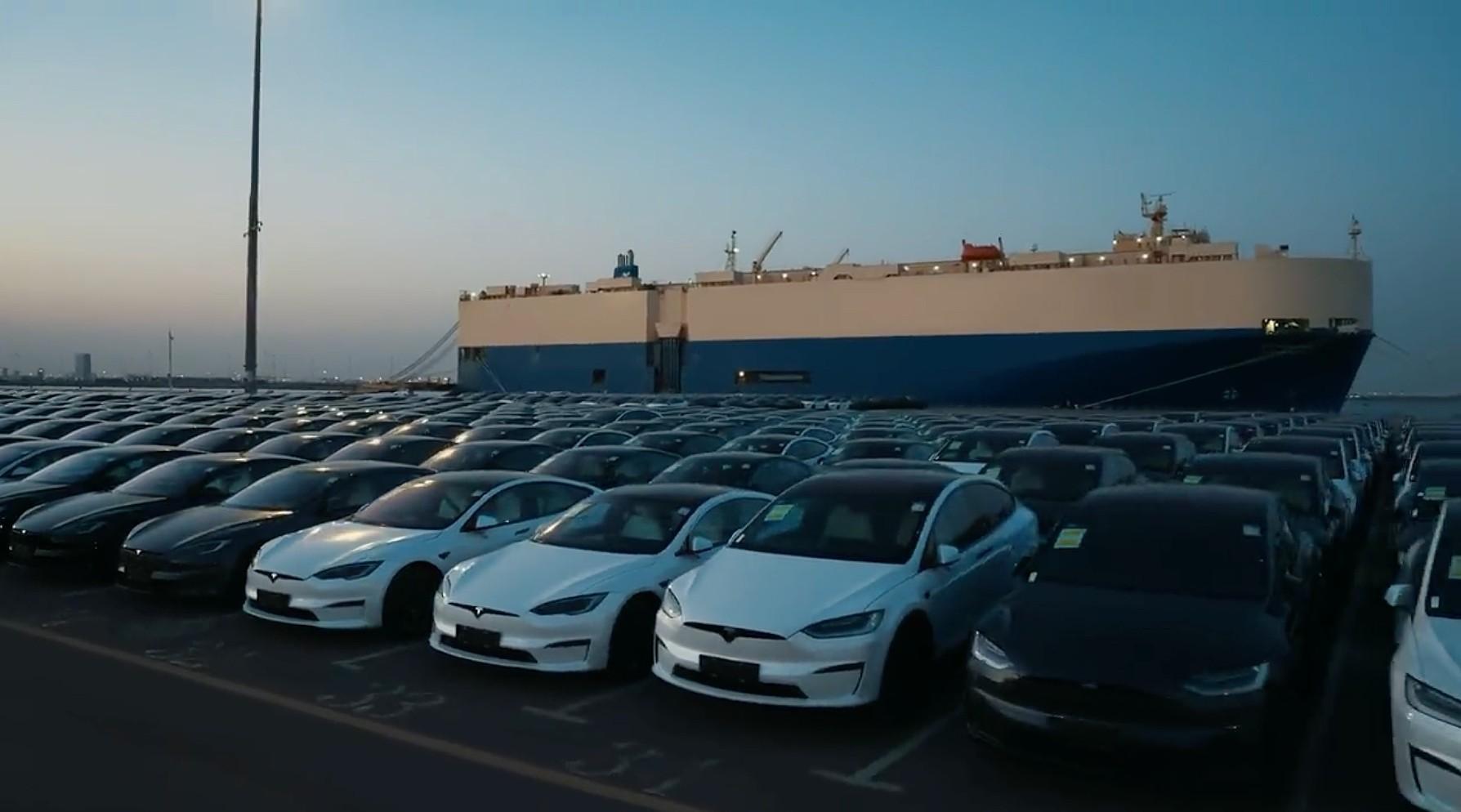
The open road is a classic American symbol of freedom. But when faced with a cross-country move, a military deployment, or an online vehicle purchase, the thought of driving thousands of miles can be daunting, expensive, and time-consuming. This is where the world of car shipping comes in—a service designed to transport your vehicle safely and efficiently, saving you the wear and tear on both your car and yourself.
If you're new to the process, it can seem complex. This comprehensive guide will demystify car shipping, walking you through every step, from understanding your options to preparing your vehicle for its journey. By the end, you'll feel confident and informed, ready to make the best decisions for your needs.
Why Do People Use Car Shipping Services?
The reasons for car shipping are as varied as the vehicles themselves. It's often a decision rooted in practicality and cost-effectiveness.
-
Long-Distance Relocation: Moving across the country is stressful enough. Shipping your car allows you to fly to your new home quickly and have your vehicle waiting for you, avoiding a grueling multi-day drive.
-
Online Vehicle Purchases: The internet has globalized the car market. Whether you found a classic car on eBay or a great deal on a used vehicle several states away, car shipping is the final step in making it yours.
-
Seasonal Travel: "Snowbirds" who migrate to warmer climates for the winter frequently ship their cars to avoid the long drive back and forth.
-
Military Deployment: Service members on Permanent Change of Station (PCS) orders often have their vehicles shipped by the military or through affiliated services.
-
Classic and Collector Cars: For valuable, vintage, or low-mileage vehicles, driving long distances can cause unnecessary depreciation and risk damage. Enclosed transport provides a sanctuary on wheels.
-
Business and Corporate Moves: Companies often ship fleet vehicles or an employee's car as part of a corporate relocation package.
Understanding the Two Main Types of Car Shipping
The first and most significant choice you'll make is between the two primary methods of transport. Your decision will primarily hinge on your budget and the level of protection your vehicle requires.
1. Open-Air Transport
This is the most common and economical method. If you've seen multi-car carriers on the highway with vehicles stacked on two levels, you've seen open-air transport in action.
-
Pros: It is the most affordable option and has the widest availability, with thousands of carriers operating across the country.
-
Cons: Your vehicle is exposed to the elements—rain, sun, wind, and road debris. While serious damage is rare, it's possible to encounter minor cosmetic issues like dust or tiny rock chips.
2. Enclosed Transport
This service involves a specialized trailer that completely encloses the vehicles inside, shielding them from all weather and road hazards.
-
Pros: Offers maximum protection. This is the non-negotiable choice for high-value cars, antiques, exotics, or any vehicle where its pristine condition is paramount.
-
Cons: The premium protection comes with a premium price, typically costing 30% to 60% more than open transport. Availability can also be more limited.
Key Factors That Determine Car Shipping Costs
The price to ship your car isn't a random number; it's a calculation based on several variables. Understanding these can help you interpret quotes and potentially find savings.
-
Distance: The single biggest factor. Longer distances cost more, though the cost per mile usually decreases on longer hauls.
-
Vehicle Size and Weight: Larger, heavier vehicles (like trucks and SUVs) take up more space and consume more fuel, so they cost more to ship than a compact sedan.
-
Transport Type: As discussed, enclosed auto transport is more expensive than open-air.
-
Seasonality and Demand: The market fluctuates. Shipping to Florida or Arizona in the winter (high demand) will be more expensive than in the summer. The industry is also busier during the summer months overall.
-
Route Popularity: Major routes between large cities (e.g., Los Angeles to Dallas) are highly trafficked, leading to more carrier competition and lower prices. Shipping to or from a remote, rural area will incur a "deadhead" fee for the carrier, increasing the cost.
-
Timing and Flexibility: If you need your vehicle picked up or delivered within a 24-hour window, you'll pay a premium for "express" service. Having a flexible schedule can save you money.
The Car Shipping Process: A Step-by-Step Walkthrough
Knowing what to expect can eliminate stress and ensure a smooth experience.
Step 1: Get Multiple Quotes
Start by obtaining quotes from at least 3-5 reputable car shipping companies. Be prepared to provide accurate information: the make, model, year, and condition of your vehicle, as well as the exact pickup and delivery ZIP codes. Be extremely wary of quotes that seem too good to be true—they often are.
Step 2: Vet and Choose Your Carrier
This is your most critical task. Do not base your decision on price alone.
-
Check Reviews and Ratings: Look at the Better Business Bureau (BBB), Google Reviews, and transport-specific sites.
-
Verify Credentials: Ensure the company has an active USDOT number from the Federal Motor Carrier Safety Administration (FMCSA) and carries adequate insurance.
-
Ask Questions: A reputable broker or carrier will be transparent and happy to explain their process, insurance coverage, and what to expect.
Step 3: Book Your Shipment and Prepare Your Vehicle
Once you've selected a carrier, you'll book your shipment, which may require a small deposit. Then, prepare your car for its journey:
-
Wash Your Car: A clean vehicle makes it easy to document any pre-existing damage.
-
Document Pre-Existing Damage: Take clear, date-stamped photos or a video of your car from all angles, highlighting any dings, scratches, or dents.
-
Remove Personal Belongings: Carriers' insurance does not cover personal items left in the vehicle. It's also a safety and security risk. Remove all valuables, documents, and unnecessary items.
-
Check Fluid Levels and Disable Alarms: Ensure your car isn't leaking any fluids. The fuel tank should be around 1/4 full. If your car has an alarm, provide the driver with instructions or leave the keys with it disarmed.
-
Note the Mileage: Record the odometer reading at the time of pickup.
Step 4: Vehicle Pickup and The Bill of Lading
On pickup day, the driver will conduct a thorough inspection with you, noting any existing damage on the Bill of Lading (BOL). This document is your legal contract for the shipment. Review it meticulously, ensure every scratch is documented, and only sign it once you agree. You will receive a copy.
Step 5: In-Transit and Communication
Your car is now on its way. A good company will provide you with updates. Transit times can vary based on distance, weather, and other logistics, so patience is key.
Step 6: Vehicle Delivery and Final Inspection
Upon delivery, inspect your vehicle again with the driver, using your copy of the BOL and your pre-shipment photos as a reference. Once you are satisfied that it has arrived in the same condition, sign the final inspection report, pay the remaining balance (if applicable), and drive away with peace of mind.
Final Tips for a Seamless Car Shipping Experience
-
Plan Ahead: Booking 2-4 weeks in advance can secure you a better rate and ensure carrier availability.
-
Be Flexible: If you can offer a flexible pickup or delivery window (e.g., 3-5 days), you can often get a more favorable price.
-
Communicate Clearly: Ensure the carrier has your correct phone number and that you are reachable around the scheduled pickup and delivery times.
Car shipping is a powerful service that solves a complex logistical problem. By investing a little time in research and preparation, you can ensure your vehicle arrives safely and securely, ready for your next adventure.

 English
 French
 Spanish
 Portuguese
 Deutsch
 Turkish
 Dutch
Dutch
 Italiano
 Russian
 Romaian
 Portuguese (Brazil)
 Tiếng Việt