


Steering Box Repair: Everything You Need to Know
When it comes to vehicle safety and control, the steering system plays a crucial role. At the heart of this system lies the steering box — a component often overlooked until something goes wrong. If you're experiencing strange noises while turning the wheel or noticing a lack of responsiveness in your steering, it might be time to consider a steering box repair .
What is a Steering Box?
The steering box is a key component of a vehicle's steering system. It connects the steering wheel to the wheels of the car, translating the driver's input into mechanical movement. Essentially, when you turn the wheel, the steering box is what helps the wheels respond accordingly.
There are several types of steering boxes, including recirculating ball and worm gear types, often found in trucks and older vehicles. Modern vehicles may use rack and pinion systems, but steering boxes are still common in many models, especially those built for durability and heavy-duty use.
Signs Your Steering Box Needs Repair
Your steering box doesn't fail overnight. It gives signs of wear and tear, which should never be ignored. Here are some common symptoms indicating a potential issue with the steering box:
1. Loose Steering
If you notice excessive play in the steering wheel, it's often due to internal wear in the steering box. The components inside can become worn over time, reducing the precision in your steering response.
2. Unusual Noises
Clunking or grinding noises while turning the steering wheel can point to internal damage or insufficient lubrication within the steering box.
3. Steering Wheel Vibration
Persistent vibration, especially when the vehicle is in motion, can suggest that the steering box is misaligned or that internal components are no longer functioning correctly.
4. Fluid Leaks
While the steering box itself doesn't usually contain fluid, it connects with parts of the power steering system that way. Any sign of leakage around the box is a red flag and needs professional inspection.
5. Steering Wheel Not Returning
If your steering wheel doesn't return to the center position after turning, it might be due to stiffness or internal friction in the steering box.
Why Steering Box Repair is Critical
Driving with a faulty steering box isn't just uncomfortable—it's dangerous. A compromised steering system affects the vehicle's handling, especially during sudden turns or emergency maneuvers. Regular inspections and timely repairs can prevent accidents and keep your car in roadworthy condition.
A famous auto workshop often stresses the importance of dealing with steering issues as soon as they arise. Experienced mechanics know how subtle problems in the steering box can gradually lead to serious safety concerns.
The Repair Process
Steering box repair requires technical expertise and precision. Here's a general overview of what a repair process might involve:
1. Diagnosis
The mechanics begins with a full inspection of the steering system. This includes checking the steering linkage, power steering components, and, of course, the steering box itself. Accurate diagnosis ensures the root cause is identified before any work begins.
2. Removal
If the steering box is confirmed to be the problem, it needs to be removed from the vehicle. This can involve detaching steering shafts, removing mounts, and in some cases, disconnecting parts of the exhaust or engine components for access.
3. Disassembly and Inspection
Once removed, the steering box is disassembled. Internal gears, bushings, and seals are checked for wear or damage. Any part that doesn't meet performance standards is replaced.
4. Rebuilding or Replacing
Depending on the condition, the steering box can either be rebuilt using new parts or replaced entirely. Rebuilding is often preferred when the housing is intact and components can be restored to factory specifications.
5. Reinstallation and Testing
The repaired or new steering box is reinstalled. The steering system is then tested to ensure proper alignment, response, and fluid pressure if it's connected to a power steering system.
Preventive Maintenance Tips
Steering box problems often develop over time. Following some basic maintenance practices can help extend the life of your steering system:
- Check for leaks : Regularly inspect the area around the steering box for signs of fluid leaks.
- Keep components lubricated : Ensure moving parts within the steering system are properly greased.
- Avoid hitting curbs : Sudden impacts can misalign or damage the steering box.
- Regular servicing : During routine maintenance, ask your mechanic to inspect the steering system components.
Choosing the Right Auto Workshop
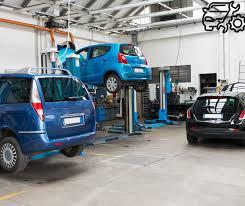
When dealing with something as critical as the steering system, choosing the right place for repair matters. A famous auto workshop with trained technicians, proper diagnostic tools, and years of experience is essential. The reputation of such a workshop is built on consistent quality, attention to detail, and commitment to safety.
Avoid DIY solutions or inexperienced service centers when it comes to steering repairs. The risks involved in improper repair are too high.
Final Thoughts
Steering box repair isn't just about fixing a mechanical issue—it's about restoring control, safety, and comfort to your driving experience. Whether it's subtle signs of trouble or major steering problems, addressing issues early can save you from bigger headaches down the road.
A trusted and famous auto workshop can assess, repair, and restore your steering system to factory condition, giving you peace of mind behind the wheel. Stay alert to the signs, follow preventive maintenance tips, and never compromise on safety when it comes to your vehicle's steering.

 English
 Arabic
 French
 Spanish
 Portuguese
 Deutsch
 Turkish
 Dutch
Dutch
 Italiano
 Russian
 Romaian
 Tiếng Việt