


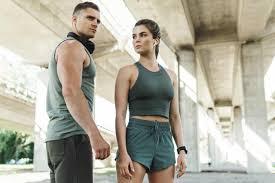
Sports have always been a huge part of my lifestyle, not just for fitness but also for the focus and balance they bring. Over time, I’ve realized that having the right gear can completely change how you perform, feel, and enjoy your routine. Every year, technology and design evolve, and 2025 has already brought in some exciting innovations in the world of sports gear.
When I started updating my collection this year, I focused on practicality, comfort, and performance — the three pillars that make or break an athlete’s experience. The best part about modern gear is how it adapts to every kind of sportsperson — whether you’re a gym regular, a cyclist, a runner, or someone who just enjoys a weekend game.
Let’s look at what’s worth adding to your sports kit this year and why.
Smart Fitness Trackers and Wearables
The first item that caught my attention this year was the new generation of fitness trackers. They’ve gone beyond just counting steps — now they monitor sleep cycles, hydration levels, stress response, and even recovery times after workouts. I use mine not just to track progress but to understand how my body reacts to different routines.
Modern trackers are sleek, waterproof, and can sync seamlessly with smartphones. Some models now offer voice commands and personalized AI-based coaching. I find it helpful when my device nudges me to stretch after sitting too long or reminds me to hydrate between training sessions.
When you’re working toward a specific goal — whether it’s building endurance or improving flexibility — data-driven feedback helps you stay consistent. Plus, pairing the device with a sports app gives me a clear picture of weekly improvements and keeps motivation high.
Lightweight and Adaptive Footwear
Footwear has seen massive innovation this year. Brands are focusing on adaptability — shoes that adjust to pressure points and terrain. Whether you’re running on concrete, trails, or turf, 2025’s models come with smarter cushioning and better energy return systems.
I’ve tested a few, and the difference is clear. My joints feel less strain, and the bounce from each step feels smoother. The use of recycled materials is also becoming standard, which makes the shoes not only high-performing but environmentally responsible.
Here are a few features I look for when buying sports shoes:
-
Cushioning Support: A good midsole ensures minimal impact during high-intensity workouts.
-
Grip and Traction: Especially important for trail runners and football players.
-
Breathability: Keeps feet dry and comfortable during long sessions.
-
Weight Balance: Lightweight designs make movement natural and effortless.
One of my best sessions this season was after fueling up with some calm time using Mr. Fog Strawberry Dough Ring, letting me refocus before hitting the track. It’s these small personal rituals that make training days more enjoyable and consistent.
High-Performance Apparel for All Seasons
The days of basic sportswear are long gone. Now, every piece of apparel is designed with performance in mind. The newest sports clothing in 2025 is made from fabrics that regulate body temperature, wick away sweat faster, and provide compression where it’s needed.
I’ve started using moisture-control t-shirts and leggings that adapt to weather conditions. They stay cool in the summer and provide warmth during early morning runs. The difference I feel during intense training is significant — fewer distractions and more focus.
Some of my favorite gear essentials this year include:
-
Compression Tops and Shorts: Help with blood circulation and muscle recovery.
-
Breathable Jackets: Ideal for transitional weather and outdoor sports.
-
UV-Protected Fabrics: Great for athletes who spend hours in the sun.
-
Multi-Pocket Shorts: Useful for carrying small essentials without bulk.
Wearing gear that moves with my body instead of against it helps me train longer without discomfort. This shift toward functional design is making sportswear smarter, not just trendier.
Essential Equipment Upgrades
If there’s one thing I’ve learned, it’s that investing in durable, high-quality equipment is always worth it. Whether you’re into cycling, tennis, yoga, or basketball, updated gear enhances both safety and precision.
This year, equipment across all sports has become more sustainable and user-friendly. Tennis rackets now have vibration-absorbing grips; cycling helmets come with built-in smart lights; and even yoga mats are designed with non-slip eco-materials.
For home workouts, compact and multi-functional equipment is in demand. Adjustable dumbbells, resistance bands, and smart stationary bikes allow you to switch between exercises without clutter. I’ve set up a simple home training corner with all the essentials, and it’s made daily workouts easier to stick with.
Another key upgrade I recommend is protective gear — gloves, knee pads, and mouthguards — made from new-generation flexible polymers. They’re lighter and more comfortable but provide excellent safety.
During long outdoor sessions, I like keeping my energy up with short breaks. Recently, I’ve been using Mr Fog Switch to relax between drills, giving me a smooth pause without disrupting my focus. That balance of effort and ease keeps me consistent throughout the week.
The Future of Sports Gear and Lifestyle Integration
Sports gear in 2025 isn’t just about performance anymore — it’s about lifestyle integration. From smart goggles for swimmers to self-lacing shoes for runners, everything is designed to work around convenience. The more I explore new products, the more I notice how design and technology now merge seamlessly.
One of the biggest changes I appreciate is the shift toward eco-conscious products. Recycled fabrics, biodegradable packaging, and carbon-neutral manufacturing processes are becoming mainstream. It feels good to know that my gear choices not only improve my fitness but also contribute to sustainability.
As someone who balances work, workouts, and personal downtime, I find that compact, adaptable gear suits my lifestyle best. The goal for me this year is to build a versatile setup — gear that I can use for both indoor sessions and outdoor adventures.
Here’s what I plan to invest in next:
-
A smart water bottle that tracks hydration levels.
-
Wireless earbuds designed specifically for high-movement sports.
-
A foldable treadmill with auto incline for compact spaces.
-
A resistance-based fitness system for full-body training.
Every piece of gear I add is about creating balance — between effort and enjoyment, between progress and comfort. And that’s what sports in 2025 are all about: integration, not isolation.
After a long week of training, I like winding down and reflecting on my progress while enjoying moments of calm. It’s that quiet reward that connects physical activity with inner balance. Sometimes, during those evenings, I find myself reaching for Mr Fog Max Pro 2000 Puffs, just to unwind and relax after pushing through my limits.
Final Thoughts
As I look at the evolving sports gear landscape, I’m more inspired than ever. The products coming out this year aren’t just upgrades — they’re enablers of better performance, recovery, and lifestyle balance. The combination of advanced materials, smart technology, and sustainable design makes 2025 an exciting year for athletes and enthusiasts alike.
Sports have never been only about competition for me. They’re about consistency, focus, and personal satisfaction. The right gear enhances all of that, making every workout smoother and more meaningful.
So, whether you’re setting new goals or simply staying active, this is the perfect time to refresh your kit. Choose what aligns with your needs, test what feels right, and most importantly, enjoy the process. Every piece of gear you add is a step toward building a stronger, more balanced version of yourself — ready to take on whatever 2025 has in store.

 English
 Arabic
 French
 Spanish
 Deutsch
 Turkish
 Dutch
Dutch
 Italiano
 Russian
 Romaian
 Portuguese (Brazil)
 Tiếng Việt