


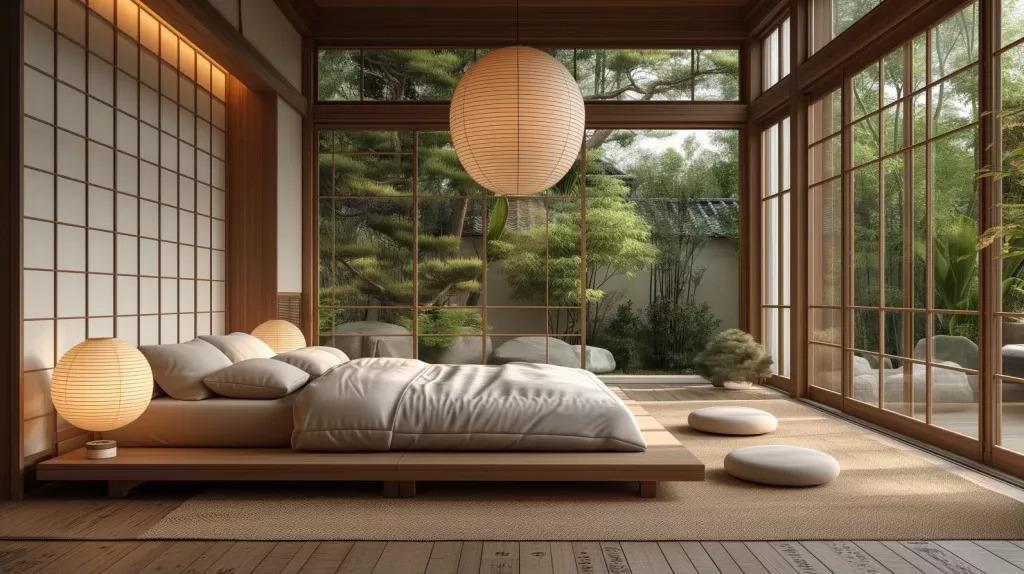
In today’s fast-paced world, our homes should be places where we can relax, recharge, and find peace. That’s where Asian Zen interior design comes in. Rooted in ancient Eastern philosophies, this style blends minimalism, nature, and mindfulness to create a calming atmosphere. It focuses on simplicity, balance, and harmony — helping you turn your home into a personal sanctuary.
What Is Asian Zen Interior Design?
Asian Zen interior design is inspired by traditional Japanese and Chinese aesthetics. It reflects the Zen philosophy of mindfulness, simplicity, and natural beauty. The goal is to remove distractions, reduce clutter, and create a sense of calm in every room.
Key Elements of Zen Design
-
Simplicity: Clean lines and uncluttered layouts define the space.
-
Natural Materials: Wood, bamboo, stone, and cotton are used to bring nature indoors.
-
Neutral Colors: Shades of beige, white, gray, and earthy tones help create balance.
-
Light and Air: Soft lighting and open spaces encourage relaxation.
The Philosophy Behind Asian Zen Interior Design
At its heart, Asian Zen interior design is about finding harmony — not just in how a space looks, but in how it feels. It draws from Buddhist principles of balance and mindfulness. Each object in a Zen-inspired room serves a purpose and contributes to a sense of tranquility.
Why People Love Zen-Inspired Spaces
-
Reduces stress and anxiety
-
Promotes focus and mental clarity
-
Creates a feeling of spaciousness
-
Encourages mindful living
By incorporating this philosophy into your home, you’re not just decorating — you’re creating a lifestyle that values peace over excess.
Essential Features of Asian Zen Interior Design
To bring the essence of Asian Zen interior design into your home, focus on these core elements:
1. Minimalist Layout
Keep furniture to a minimum. Choose functional, low-profile pieces with simple designs. Avoid unnecessary decorations that clutter your space.
2. Natural Light
Let sunlight fill your home. Use sheer curtains or blinds that allow light to pass through while maintaining privacy.
3. Organic Materials
Use materials that connect you to nature, such as:
-
Bamboo flooring or wall panels
-
Wooden furniture
-
Stone accents or water features
-
Linen or cotton textiles
4. Neutral Color Palette
Stick to soft, calming colors. Earthy shades like beige, sand, taupe, and off-white are ideal. You can add depth with muted greens or browns.
5. Indoor Plants
Plants are central to Asian Zen interior design. They purify the air and add life to the space. Popular options include:
-
Bonsai trees
-
Peace lilies
-
Bamboo palms
-
Snake plants
6. Water Elements
Incorporating water features, such as a tabletop fountain or a small pond, symbolizes tranquility and balance.
How to Decorate with Asian Zen Interior Design
Creating a Zen-inspired space is not about strict rules. It’s about how the environment makes you feel. Here’s how to design each area of your home:
Living Room
-
Use low furniture to create an open flow.
-
Add soft rugs or tatami mats.
-
Keep décor minimal — a single artwork or a vase of flowers can be enough.
-
Place furniture symmetrically to enhance harmony.
Bedroom
-
Choose neutral bedding with natural fabrics.
-
Avoid electronic distractions near the bed.
-
Keep lighting warm and soft.
-
Add a small indoor plant for a touch of calm.
Bathroom
-
Incorporate wooden or stone elements.
-
Use candles or diffusers with natural scents.
-
Keep towels and accessories in neutral tones.
Kitchen
-
Maintain clean countertops and hidden storage.
-
Use ceramic or bamboo utensils.
-
Introduce natural light and ventilation.
Tips to Achieve the Perfect Zen Atmosphere
-
Declutter Regularly – A tidy space helps maintain peace of mind.
-
Focus on Functionality – Every object should have a purpose.
-
Use Natural Fragrances – Essential oils like sandalwood or jasmine enhance relaxation.
-
Limit Technology – Keep screens and gadgets to a minimum in common areas.
-
Add Textural Contrast – Mix smooth stones with soft fabrics to balance textures.
Common Mistakes to Avoid
When designing a home with Asian Zen interior design, avoid these pitfalls:
-
Too Many Decorations: Zen is about “less is more.”
-
Bright or Flashy Colors: Stick to muted, earthy tones.
-
Ignoring Lighting: Harsh lighting ruins the soft, calm vibe.
-
Artificial Materials: Plastic and synthetic items disrupt the natural balance.
Modern Interpretations of Asian Zen Interior Design
Today’s designers often combine Asian Zen interior design with modern minimalism. This fusion keeps the traditional calmness but adds a touch of contemporary elegance.
You might see:
-
Sleek furniture with wooden finishes
-
Smart storage systems hidden within natural materials
-
Glass partitions that allow natural light to flow
-
Subtle technology integration that doesn’t disturb the serenity
This modern Zen approach suits small apartments and urban homes while maintaining the essence of simplicity and mindfulness.
Why You Should Choose Asian Zen Interior Design
Choosing Asian Zen interior design goes beyond style. It’s a commitment to living intentionally and peacefully. Whether you live in a large house or a small apartment, Zen-inspired décor brings balance and calmness to your daily life.
Benefits of Zen Design
-
Encourages relaxation and mindfulness
-
Improves mental clarity
-
Enhances sleep quality
-
Makes spaces feel larger and lighter
-
Promotes sustainable living with natural materials
Conclusion
Asian Zen interior design is more than a trend — it’s a timeless approach to living peacefully. By focusing on simplicity, natural materials, and harmony, you can transform your home into a sanctuary that soothes both your mind and body.
Whether you’re redesigning your entire home or just refreshing a single room, remember that the goal is not perfection. It’s balance, calmness, and authenticity — the essence of Zen living.

 English
 Arabic
 French
 Spanish
 Portuguese
 Turkish
 Dutch
Dutch
 Italiano
 Russian
 Romaian
 Portuguese (Brazil)
 Tiếng Việt